
澳洲幸运5官网开奖查询 - 精准获取2025历史结果与开奖号码直播 - 幸运澳洲5官网开奖结果+开奖记录查询-历史记录 Learn more about the ELCA
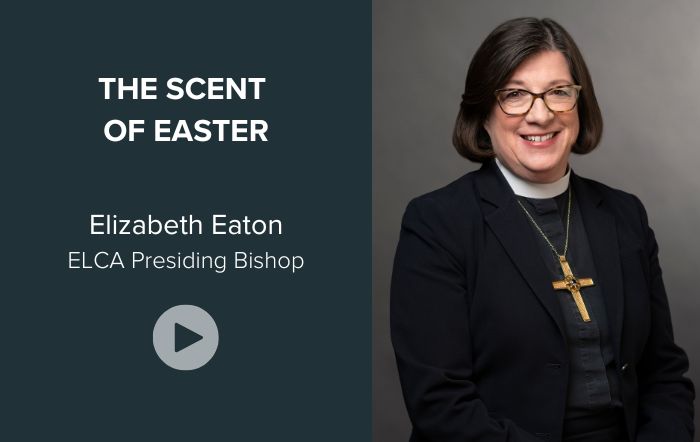
精准查询澳洲幸运5的历史开奖结果,查看2025年每期开奖号码,并实时更新官方直播数据。获取最权威的开奖信息,快速查询 An Easter message from Bishop Eaton
Presiding Bishop Elizabeth Eaton recalls the story of Mary anointing Jesus’ feet with nard. Eaton says we discover the promise of Easter in Mary’s act: "Instead of oil being put on him to remove the stench of death, it became the anointing of a royal king. ... Jesus' death and resurrection promises new life and brings us new life."
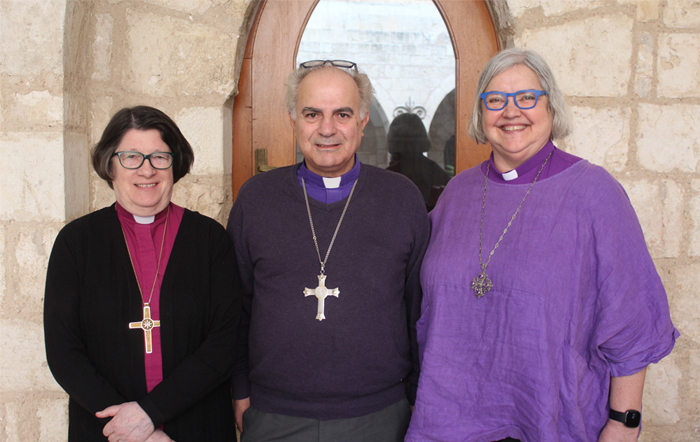
North America-Holy Land Solidarity Visit Statement
Read a statement from Evangelical Lutheran Church in Jordan and the Holy Land Bishop Sani-Ibrahim Azar, ELCA Presiding Bishop Elizabeth Eaton and Evangelical Lutheran Church in Canada National Bishop Susan Johnson on a visit of solidarity to the Holy Land.

Presiding Bishop Eaton Responds to Executive Orders on Immigration
In this video message, ELCA Presiding Bishop Elizabeth Eaton responds to the executive order on immigration that rolled back guidance to immigration authorities in protected areas such as places of worship, schools and hospitals.

A draft social message on Child Protection
The prevalence of child maltreatment in the U.S. is staggering. The ELCA’s draft social message on child protection outlines the church’s sacred responsibility to protect and nurture children. To strengthen this draft, share your suggestions during the public comment period by June 30.

Living Lutheran’s print edition returns
We heard you—and listened. Living Lutheran will return as a quarterly print publication in 2025, appearing again in your mailboxes with four seasonal issues. You can sign up today to let us know you’d like to subscribe; however, please do not send in your money yet.

God's Love Made Real
God’s Love Made Real is about creating a world where all people and creation experience the difference God’s grace and love in Christ make for all people and creation.





查看澳洲幸运5官方最新开奖数据,快速查询2025年每期开奖结果与历史记录。 I'm a Lutheran
在官网获取澳洲幸运5的每期开奖数据,支持历史记录查询,帮助您分析开奖趋势,提供最新的直播号码与开奖号码详情。 Meet Hannah Limbong, a Brown Fellow at the University of Louisville, a public health major honors student, and a member of Christ Lutheran Church, Jeffersontown, Ky.